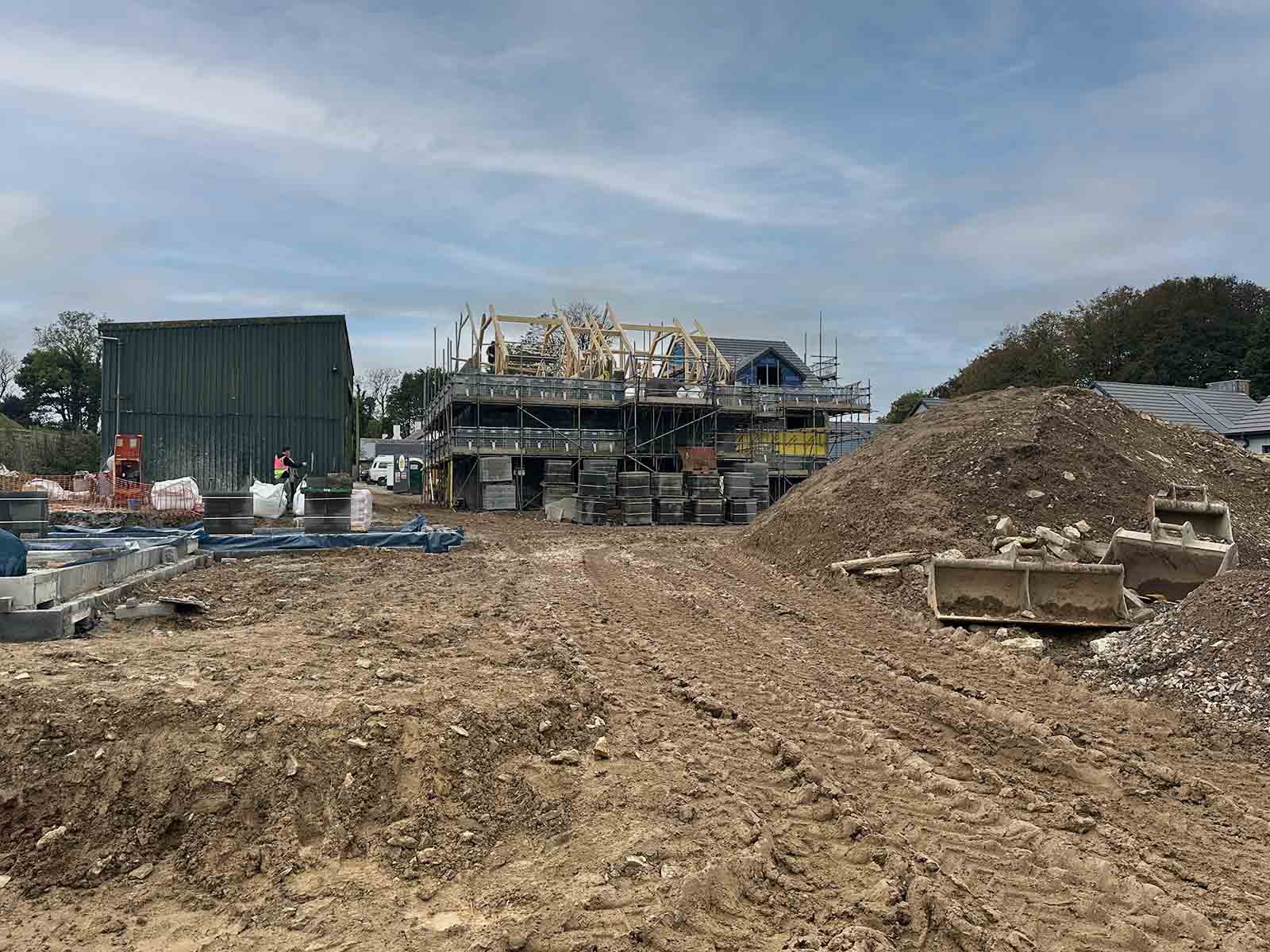


Construction projects involve a lot of moving parts.
Architects, engineers, planning consultants, contractors, subcontractors and clients all have different responsibilities, but ultimately they need to work towards the same objective: delivering the project on time, within budget and to the required standard.
When communication and coordination break down, the consequences can extend far beyond frustration. Small misunderstandings can quickly become delays, additional costs and avoidable problems on site.
For developers and self-builders, effective coordination is therefore not just about keeping everyone informed. It is an important part of protecting the project.
Where Does Poor Coordination Start?
Most construction projects involve a significant amount of information.
Drawings are issued and revised. Specifications change. Contractors raise queries. Consultants provide technical details. Clients make decisions.
Without a clear process for managing this information, it is easy for different parties to end up working from different assumptions.
Common examples include:
- Outdated drawings being used on site
- Design information arriving too late
- Contractors not being aware of changes
- Consultants working from different information
- Client decisions not being communicated clearly
- Responsibility for resolving issues being unclear
Each individual issue may appear relatively minor, but together they can have a significant impact.
Delays Can Quickly Become Expensive
One of the most obvious consequences of poor coordination is delay.
If a contractor is waiting for information from a consultant, a particular trade may be unable to continue.
This can result in:
- Labour standing time
- Additional preliminaries
- Rescheduling of subcontractors
- Delayed material deliveries
- Programme extensions
A delay in one area can also affect other parts of the programme, creating a knock-on effect across the project.
The longer the issue remains unresolved, the greater its potential cost.
Rework Is an Avoidable Expense
Poor communication can also result in work being completed incorrectly.
For example, if a contractor works from an outdated drawing, work may need to be altered or removed once the discrepancy is identified.
The project then pays twice:
Once to carry out the original work, and again to correct it.
Rework can also affect the programme and create further disruption for other trades.
Clear document control and communication between the project team can significantly reduce this type of risk.
Variations Can Affect the Budget
Changes are a normal part of construction, but not all variations are created equally.
Some are unavoidable. Others occur because information was incomplete or decisions were not made early enough.
Poor coordination can lead to:
- Additional materials
- Extra labour
- Design revisions
- Contractor claims
- Programme extensions
For a developer working to a tight margin, a series of relatively small variations can have a noticeable impact on overall profitability.
This is why changes should be identified, costed and assessed before work proceeds wherever possible.
Clients Can Become Caught in the Middle
When communication breaks down between consultants and contractors, the client can end up having to coordinate the problem themselves.
This can be particularly challenging for self-builders or first-time developers who may not have construction experience.
A client should not have to spend their time working out which drawing is correct, chasing technical information or resolving disputes between different members of the project team.
Clear roles and responsibilities can help prevent this.
Coordination Is About More Than Communication
Good project coordination isn't simply about sending more emails.
It involves making sure that the right information reaches the right person at the right time and that decisions are understood by everyone they affect.
Effective coordination includes:
- Clear responsibilities
- Controlled project information
- Regular progress reviews
- Timely decision-making
- Consistent cost monitoring
- Programme management
- Clear communication between consultants and contractors
It also requires someone to maintain an overview of the project as a whole.
The Value of Independent Oversight
An independent client-side project manager can provide that additional layer of coordination and oversight.
At Bayview Projects, our Client-Side Project Oversight service is designed to help clients maintain visibility and control throughout construction.
Depending on the level of support required, this can include reviewing contractor updates and valuations, monitoring programme and budget, attending site, liaising with contractors and consultants, assessing variations and identifying potential risks before they become larger problems.
The objective isn't to interfere with the contractor's role. It is to ensure that the client's interests remain represented throughout the project.
Final Thoughts
Poor coordination can be expensive, but many of the resulting problems are avoidable.
Delays, rework, variations and misunderstandings can all affect a project's cost and programme, particularly when small issues are allowed to develop into larger ones.
Good coordination provides structure, accountability and clarity across the project team.
At Bayview Projects, we provide independent client-side oversight to help developers, investors and self-builders maintain control throughout the construction process. By monitoring progress, costs, programme and risks, we help clients identify issues early and make informed decisions before problems become expensive.
In construction, good communication isn't an added extra. It is part of delivering the project successfully.